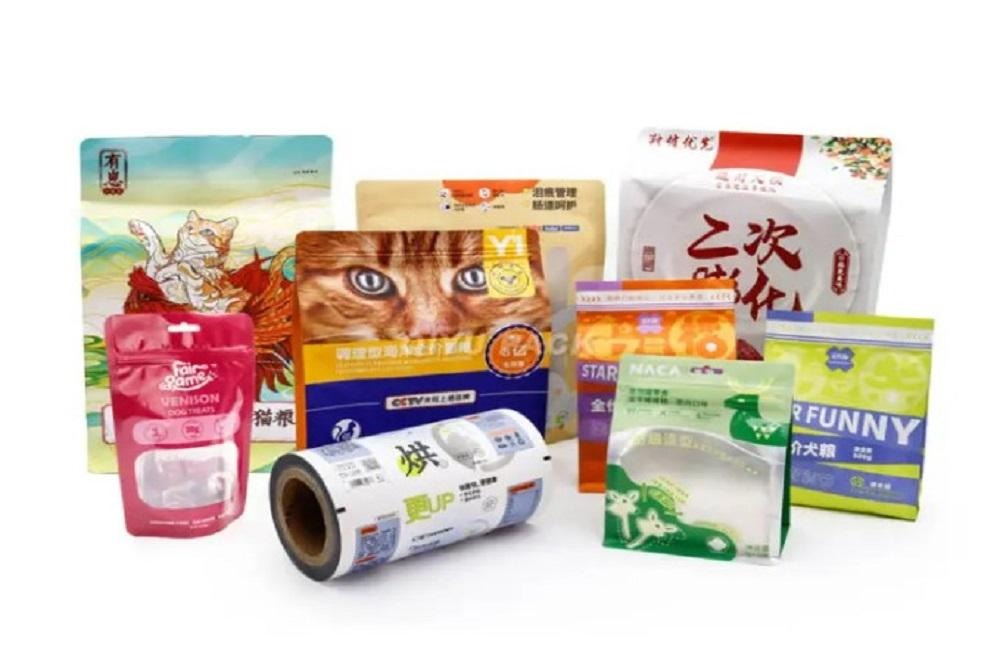
In recent years, pet ownership has grown significantly, particularly among younger generations, who increasingly treat their pets as members of the family. This cultural shift has heightened expectations for both the quality of pet food and the packaging in which it is sold. Pet owners now seek products that are not only nutritious and safe but also convenient, attractive, and sustainable. As a result, manufacturers of pet food must not only focus on producing high-quality formulas but also devote significant attention to packaging. Pet food packaging is no longer a simple container; it serves as a protective shield for the product, a communication tool for the brand, and a factor that influences consumer purchasing decisions at the point of sale.
The types of pet food available today fall broadly into two categories: wet pet food and dry pet food. Wet pet foods are characterized by higher moisture content and typically include rich proteins, fats, and vitamins. Their packaging must provide exceptional sealing and preservation to maintain freshness and prevent spoilage or bacterial contamination. In addition to maintaining the quality of the food, the packaging must preserve its aroma and flavor, which are critical for consumer satisfaction. Dry pet foods, on the other hand, have low moisture content and often come in granular or kibble forms, sometimes produced through extrusion, puffing, or frying processes. Dry food packaging requires materials that provide strong protection against mechanical damage, maintain product integrity during transportation, and prevent moisture absorption to avoid product degradation.
Dry pet food is typically packaged in quantities ranging from one to fifty kilograms. For smaller packages between one and fifteen kilograms, color-printed stand-up pouches or composite bags are preferred, often filled and sealed using automated sealing machines. Larger packages from fifteen to fifty kilograms often utilize aluminum-plastic composite bags or woven polypropylene bags. Composite bags are heat-sealed using heavy-duty machines capable of handling high-volume production, while woven bags are sealed using stitching machines complemented by hot melt tape for additional security. The careful selection of machinery that matches bag size, material, and desired production speed is critical to ensuring that packaging is both efficient and cost-effective, particularly given the high profit margins associated with pet food products.
The pet food packaging process itself involves multiple steps, beginning with accurate filling, followed by bag forming, sealing, weighing, inspection, labeling, and palletization. Additional steps such as metal detection or quality verification may be included to ensure food safety and regulatory compliance. Modern packaging lines are highly automated, allowing for efficient operation with minimal labor, while still ensuring consistent quality and adherence to hygiene standards. For manufacturers with smaller production volumes, single machines can provide flexibility, while larger operations may benefit from fully integrated packaging lines that handle multiple tasks in sequence.
Customized packaging solutions are becoming increasingly important for pet food manufacturers. Each product type, from dry kibble to wet pâté, requires specific handling and packaging conditions. Hualian, for example, offers a full range of customizable solutions, from single machines to complete production lines, tailored to the specific material, bag type, weight, and production rate requirements of the client. Identifying the desired bag type, whether it is a stand-up pouch, zipper pouch, composite bag, aluminum foil bag, or woven bag, allows the packaging solution to be optimized for both protection and presentation.
As consumer expectations continue to evolve, the demand for high-quality pet food will only increase. Packaging is no longer a secondary consideration; it is an essential component of product performance and brand strategy. Packages must not only preserve freshness, flavor, and nutritional value, but also be visually appealing and convenient for pet owners. Innovations in packaging, including resealable pouches, vacuum-sealed options, and environmentally conscious materials, allow manufacturers to address these demands effectively. At the same time, machinery and automation play a critical role in ensuring that packaging is executed efficiently, consistently, and in compliance with safety regulations.
Environmental considerations are also becoming increasingly important. Paper-plastic composites, biodegradable films, and recyclable materials are gaining traction, providing manufacturers with opportunities to align their brand with eco-friendly initiatives. By carefully selecting materials and packaging types that balance performance, consumer appeal, and sustainability, pet food companies can strengthen their brand reputation and appeal to environmentally conscious buyers.
Pet food packaging is a critical factor in product success and brand perception. The selection of materials, packaging type, and machinery all work together to ensure that products reach consumers in optimal condition. Wet pet foods require high-barrier, well-sealed packages, while dry foods demand durable, moisture-resistant materials that can withstand handling and transport. Packaging machines improve efficiency, consistency, and quality, reducing labor costs and increasing production capacity. Customized solutions allow manufacturers to optimize their lines based on product type, bag style, weight, and throughput requirements, ensuring both operational efficiency and market competitiveness.
Manufacturers that prioritize packaging innovation, invest in advanced machinery, and adopt sustainable materials will be better positioned to meet growing consumer expectations. In a competitive market, these elements can differentiate a brand, enhance product appeal, and increase customer satisfaction. As the flexible packaging films industry continues to grow, successful manufacturers will be those who recognize that packaging is not merely a container but a critical component of the product experience. From ensuring freshness and safety to reinforcing brand value and supporting sustainability, effective packaging solutions are integral to long-term success in the pet food sector.
Here are some flexible packaging options available online:
1. Custom Pet Food Packaging Solution
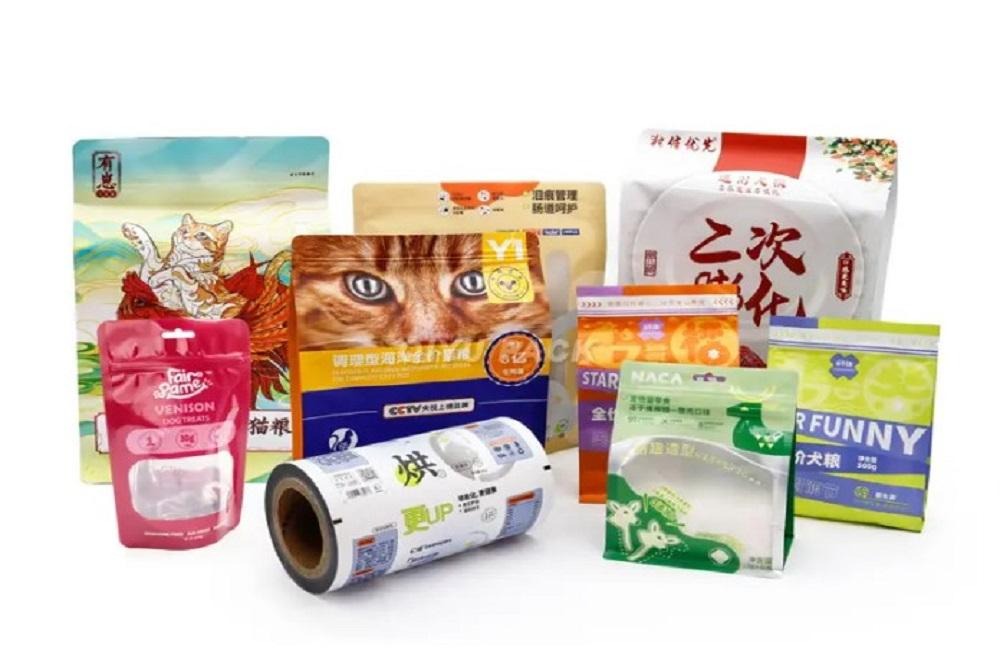
2. Custom Flat Bottom Pouch Manufacturer
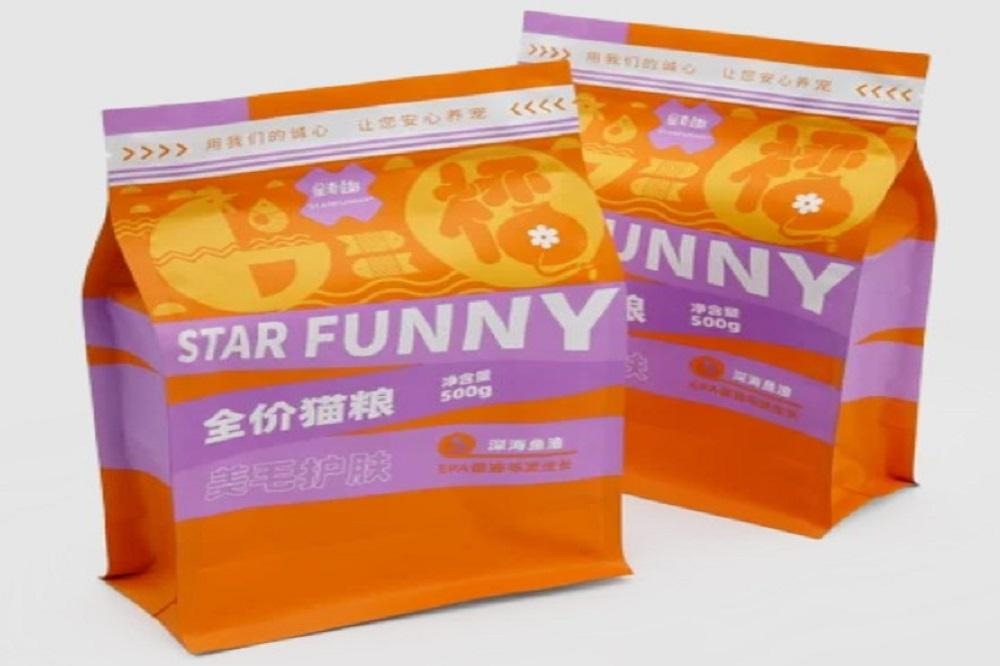
3. Custom Stand up Pouch Manufacturer
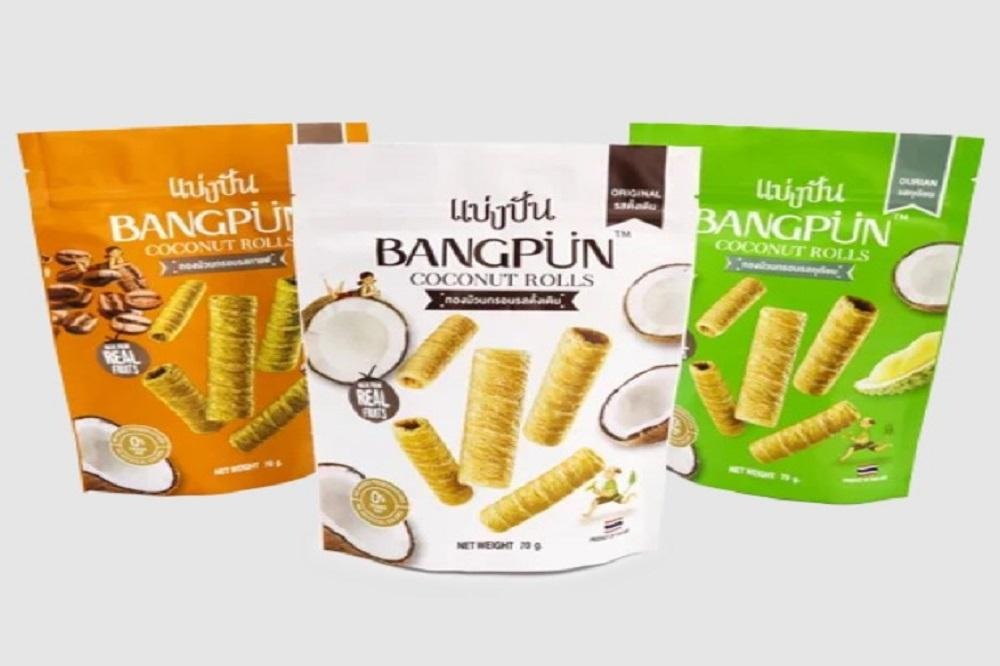
4. Custom Bag in box (BIB) Packaging Solution
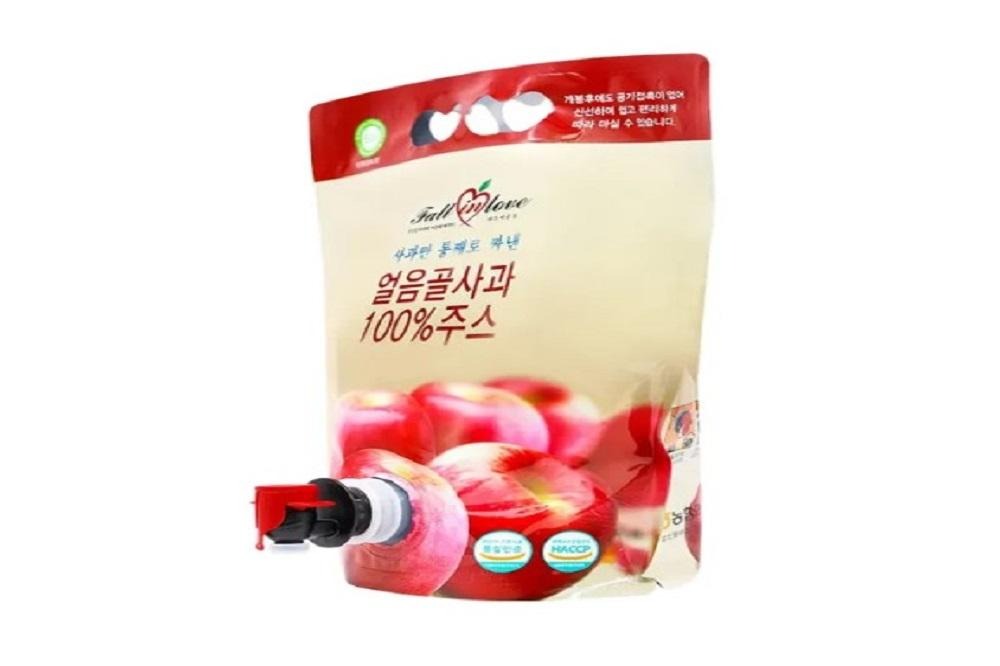
5. Custom Shaped Pouch Supplier
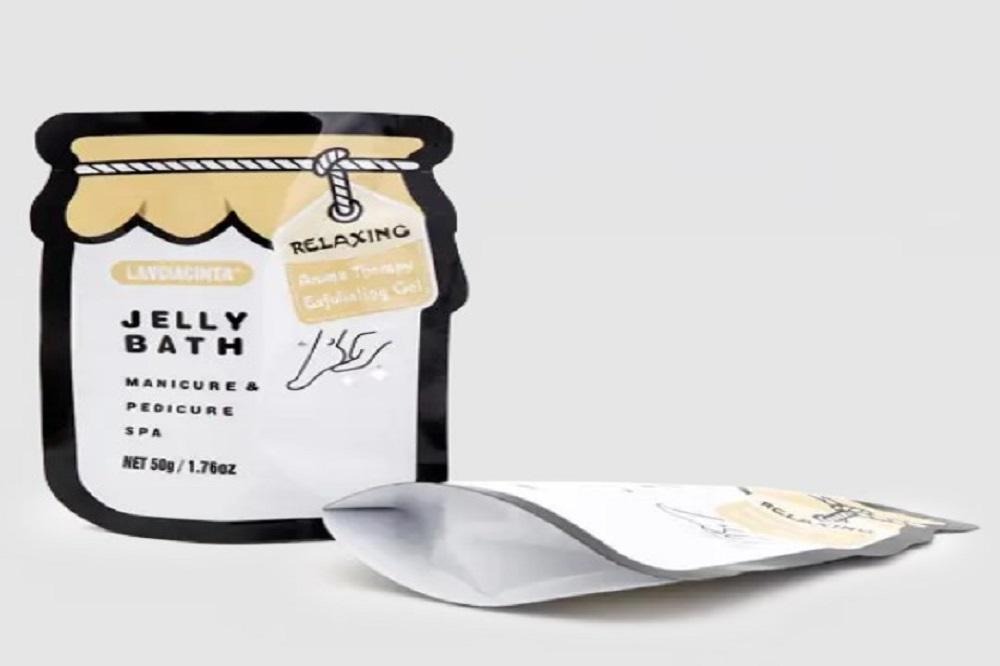
Working with a reliable custom shaped pouch supplier ensures expertise in design, material selection, and production techniques, allowing businesses to create packaging that is both functional and visually striking. Custom-shaped pouches provide a versatile, practical, and brand-focused solution that enhances product appeal while meeting modern packaging demands. Read more about pet food packaging pouches.
Leave a Reply