The global food and beverage industry is currently navigating a pivotal transition where the container is becoming as significant as the contents. As consumer awareness regarding plastic pollution reaches an all-time high, the demand for eco-friendly bags has shifted from a niche preference to a foundational requirement for market entry. Modern custom food packaging bags must perform a delicate balancing act: it must maintain peak freshness, ensure rigorous safety compliance, and serve as a mobile billboard for the brand’s identity, all while minimizing its ecological footprint. Whether a business is a high-volume fast-casual chain or an artisanal organic bakery, the choice of packaging material—ranging from biodegradable kraft paper to advanced non-woven recycled fabrics—dictates both operational efficiency and public perception.
True eco-friendly bags are defined by their ability to meet stringent safety standards while ensuring they do not linger in the environment for centuries. Unlike traditional petroleum-based plastics, these modern alternatives are engineered to decompose naturally or integrate seamlessly into existing recycling streams. By utilizing materials like high-grade polyethylene, polypropylene, or specialized compostable films, manufacturers are producing packaging that is free from harmful chemicals and fully approved for direct contact with food. These solutions are indispensable for preserving flavor, preventing moisture ingress, and extending the shelf life of perishable goods, proving that sustainability and high performance are no longer mutually exclusive.
The Versatility of High-Performance Paper and Plastic Alternatives
When exploring the diverse landscape of sustainable food carriers, the recyclable paper bag with an integrated handle remains a cornerstone of the industry. Typically crafted from premium 100-120g biodegradable kraft paper, these bags offer a tactile, natural texture that resonates deeply with eco-conscious shoppers. For coffee shops, bakeries, and fast-casual restaurants, these bags represent a commitment to plastic-free policies and green certifications. The structural integrity of the heavy-weight paper ensures that multi-meal orders can be transported securely, while the use of soy-based inks for full-wrap printing allows for vibrant branding that does not compromise the bag’s compost ability. While they require additional coatings for extreme moisture resistance, their role in the “to-go” economy is unparalleled.
In scenarios where leak-proof performance is non-negotiable—such as the delivery of oily fried chicken, sushi, or saucy street foods—advanced PE and PP plastic bags provide a sophisticated alternative. Modern iterations of these bags are frequently crafted from 20-micron HDPE containing significant post-consumer recycled content. By adhering to EPA sustainability guidelines, these bags offer a grease-resistant barrier that prevents the messy accidents often associated with traditional delivery. The transparency of these materials is a strategic advantage, as it enhances the customer’s visual experience and allows for quick order verification. For high-volume food trucks and takeout services, these lightweight, cost-effective, and waterproof solutions bridge the gap between traditional convenience and modern environmental responsibility.
Durability and Longevity: The Rise of Reusable and Compostable Formats
For brands looking to foster long-term loyalty, the move toward reusable non-woven bags represents a shift in consumer psychology. Constructed from 45-60g non-woven recycled fabric, these carriers are designed for longevity, often surviving 50 or more reuse cycles. This durability makes them the ideal choice for heavy family combos, hotpot deliveries, or high-end meal kit subscriptions. The water-resistant coating protects against spills, while the screen-printed logos turn every customer into a walking brand ambassador. By encouraging reuse, businesses can promote zero-waste initiatives and loyalty programs that reward customers for returning with their own packaging, effectively reducing the “cost-per-use” of the brand’s logistics.
In the specialized world of patisseries and organic bakeries, the compostable bakery bag serves as a master class in material science. Often meeting FDA certification and made from 60g PE-coated or kraft paper, these bags are engineered with breathability in mind. This allows steam to escape from freshly baked breads and pastries, keeping the crust crisp rather than soggy. Despite this breathability, the materials are designed to decompose within a short 12-week window in industrial composting environments. For vegan dessert brands and organic cafes, this packaging is a physical manifestation of their commitment to a circular economy, ensuring that the package leaves no trace long after the pastry has been enjoyed.
For businesses operating with high-volume, single-item sales—such as burger stands or muffin shops—biodegradable kraft paper bags without handles offer a minimalist and highly efficient solution. By using FSC-certified paper and water-based coatings, these bags can reduce packaging costs by as much as 40 percent compared to more complex handled versions. When equipped with optional grease-resistant liners, they provide a robust solution for oily snacks while remaining fully biodegradable. This format is particularly effective for food trucks with limited storage space, as the flat-pack nature of the bags allows for maximum inventory density without sacrificing the brand’s eco-friendly credentials.
The Strategic Power of Custom Packaging Design
In a saturated marketplace, the unboxing experience has become a critical touch point for brand differentiation. Custom packaging design is the primary tool through which a food business can tell its story and engage its audience. By moving beyond “off-the-shelf” solutions, brands can incorporate unique textures, tailored colors, and interactive elements like QR codes. These codes can link directly to a brand’s sustainability report or a video showing the ethical sourcing of their ingredients, transforming a simple bag into a digital gateway.
Functional adaptations are another core benefit of custom design. A brand can choose to add resealable zippers for snack-based products, laser-cut vent holes for warm baked goods, or high-visibility tamper-proof seals to reassure customers of the product’s safety during third-party delivery. This level of customization ensures that the packaging is not just a container, but a specifically engineered tool that enhances the product’s value. Furthermore, a professional design team ensures that all packaging meets regional eco-labeling requirements, such as BPI certification or the inclusion of standardized recycling symbols. This compliance is essential for avoiding legal pitfalls and ensuring that the brand is perceived as a transparent and honest actor in the sustainability space.
Operational Efficiency through Bulk Procurement
For growing food businesses, the transition to eco-friendly packaging must also make financial sense. This is where bulk bag options become essential. By ordering in higher volumes, companies can significantly reduce their “per-unit” costs while ensuring a consistent supply of materials. Bulk procurement allows for the streamlining of operations, as it reduces the frequency of orders and the logistical carbon footprint associated with multiple small shipments.
Beyond the cost savings, bulk ordering provides a level of brand consistency that is difficult to maintain with piecemeal purchases. When every bag across multiple locations features the same high-quality soy-ink printing and identical material feel, it reinforces the brand’s professional image. Modern suppliers have simplified this process through integrated ordering systems that allow for rapid customization and quick turnaround times, often getting orders from the design phase to the doorstep in a matter of weeks. This agility is vital for businesses that need to react to seasonal trends or sudden surges in market demand without compromising their commitment to the environment. Get more info about flexible packaging bags manufacturers.
Here are 5 essential products custom food packaging bags:
1. Custom Beef Jerky Biltong Packaging Bags Wholesale
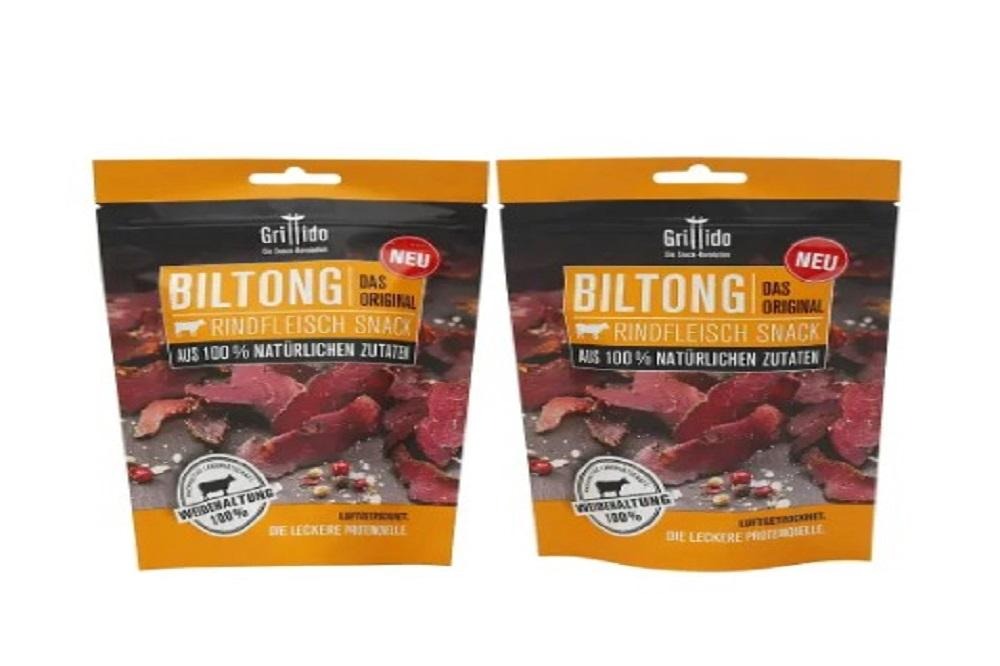
Custom beef jerky and biltong packaging bags are engineered to meet the unique preservation requirements of cured meats while providing a premium, shelf-stable wholesale solution. Because these products are highly susceptible to spoilage from oxygen and moisture, the packaging utilizes high-performance barrier laminates such as metalized polyester or specialized nylon layers. These materials create a hermetic seal that prevents oxidative rancidity and maintains the desired texture of the meat, whether it is the dry, traditional snap of biltong or the suppler chew of marinated jerky. Given the often sharp and irregular edges of dried meat, the films are specifically formulated for high puncture resistance, ensuring the vacuum or modified atmosphere remains uncompromised throughout the rigors of bulk shipping and retail handling.
For wholesale applications, the stand-up pouch format is the industry standard due to its superior vertical presence and efficient use of shelf space. These bags are frequently equipped with heavy-duty resealable zippers and integrated oxygen absorbers to extend shelf life once opened, which is a critical feature for consumer convenience. Customization options often include matte or soft-touch finishes paired with transparent windows, allowing the natural quality of the meat to be the primary visual selling point. By integrating these technical barriers with bold, high-definition branding, manufacturers can ensure their product remains fresh, safe, and visually dominant in a competitive snack market.
2. Custom Vape Packaging Bags Wholesale
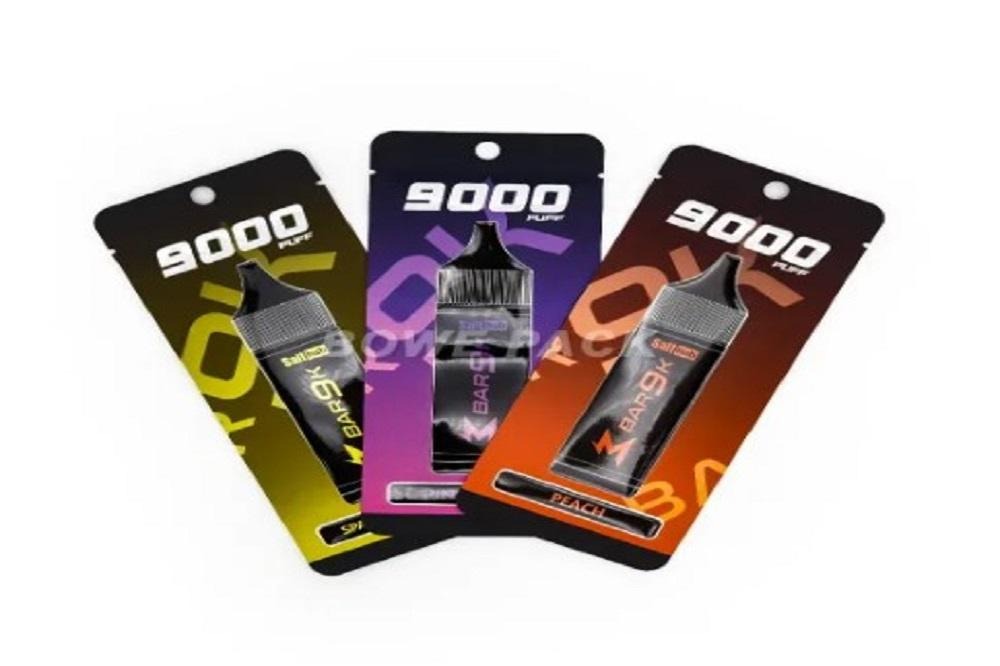
Custom vape packaging bags for the wholesale market are meticulously engineered to satisfy stringent regulatory requirements while providing a high-impact visual presence in a competitive industry. These bags typically utilize a multi-layer barrier construction, often incorporating metalized polyester or aluminum foil, to protect the sensitive chemical composition of e-liquids and pods from UV light and oxygen. This light-proof environment is essential for preventing the oxidation of nicotine and the degradation of delicate flavor profiles, ensuring the product remains potent and consistent from the production line to the final consumer. Given the nature of the contents, these pouches are designed with high chemical resistance to prevent any interaction between the plastic and the flavored oils.
In the wholesale landscape, safety and compliance are paramount, leading to the widespread adoption of certified child-resistant zippers. These specialized locking mechanisms require a specific sequence of actions to open, providing a vital layer of protection while meeting legal standards for tobacco and nicotine-related products. From a branding perspective, custom vape bags offer an expansive canvas for sophisticated finishes, such as holographic foils, spot UV, and soft-touch matte coatings, which help products, stand out on crowded retail shelves. The stand-up pouch format is favored for its stability and professional appearance, while the lightweight nature of the film significantly reduces shipping costs for bulk distributors compared to traditional rigid boxes.
3. Custom Protein Powder Bags Flat Bottom Pouch Packaging
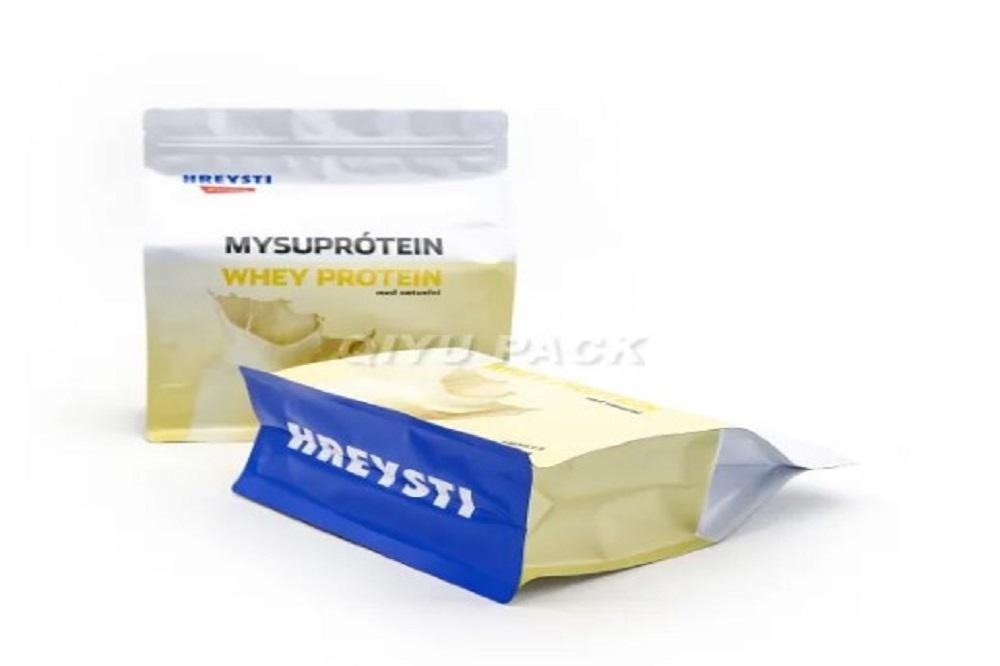
Custom protein powder bags in a flat-bottom pouch format represent the premium standard for sports nutrition packaging, offering a unique blend of structural stability and high-volume capacity. Also known as a box pouch, this design features a completely flat rectangular base and four vertical gussets, allowing it to stand perfectly upright even before it is filled with product. This stability is crucial for protein powders, which are often dense and heavy; unlike traditional stand-up pouches that may tip or “belly” out at the bottom, the flat-bottom architecture maintains a sleek, brick-like shape that maximizes shelf space and ensures a professional presentation in retail environments.
To protect the integrity of the supplement, these bags utilize a robust multi-layer lamination—typically a combination of matte or glossy PET, aluminum foil or metalized polyester, and a food-grade linear low-density polyethylene inner liner. This sophisticated barrier system is essential for shielding the powder from moisture, oxygen, and UV light, which can cause clumping and protein degradation. Customization options for these pouches are extensive, often including extra-wide, powder-resistant zippers that prevent fine particles from clogging the seal, and ergonomic handles for larger sizes. The five distinct panels—front, back, bottom, and two side gussets—provide an expansive canvas for 360-degree branding, allowing companies to display nutritional facts, usage instructions, and high-impact graphics with absolute clarity.
4. Custom Frozen Dumpling Packaging Bags Wholesale
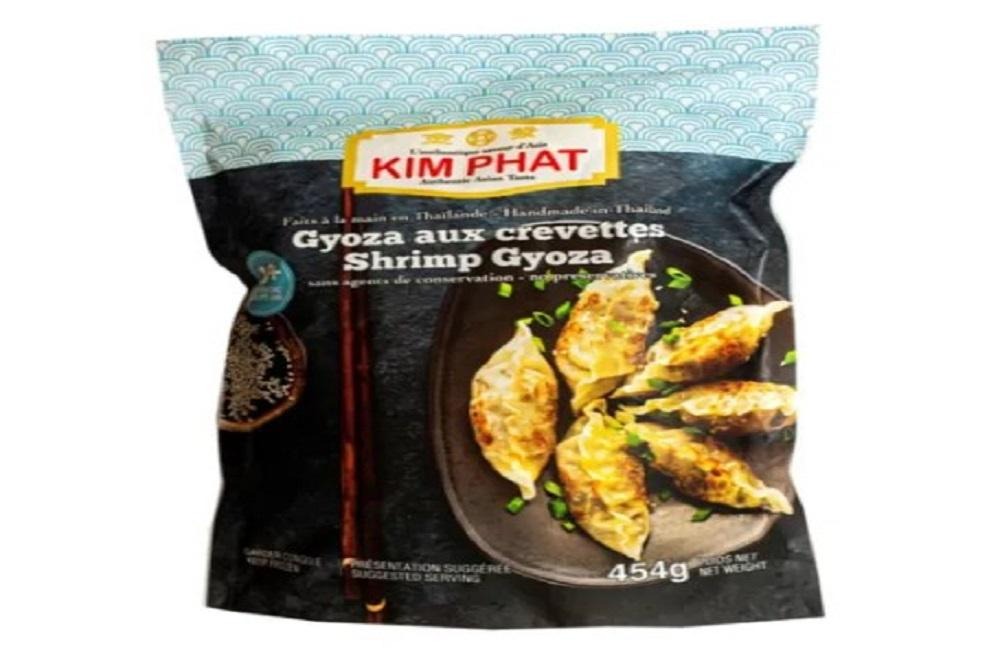
Custom frozen dumpling packaging bags for the wholesale market are engineered to withstand the extreme conditions of sub-zero temperatures while maintaining the delicate structural integrity of the product inside. Unlike standard dry goods packaging, frozen food pouches require specialized low-temperature resistant films, typically utilizing a blend of biaxially-oriented nylon and linear low-density polyethylene. This combination provides exceptional puncture resistance and “flex-crack” durability, which is vital because frozen dumplings become hard and abrasive, often piercing thinner films during transport. The nylon layer acts as a powerful oxygen barrier, preventing freezer burn and dehydration, which can ruin the texture and taste of the dough and filling.
For wholesale distribution, the stand-up pouch with a wide bottom gusset is the preferred format, as it allows for a high-volume fill while remaining stable in vertical freezer displays. These bags are frequently equipped with heavy-duty, frost-resistant zippers that maintain a secure seal even when exposed to condensation and ice crystals. Customization options for these pouches often include high-clarity windows, allowing consumers to inspect the size and shape of the dumplings, and matte finishes that provide a premium, artisanal feel. By utilizing high-definition rotogravure or digital printing with food-safe, cold-resistant inks, brands can ensure their graphics remain vibrant and do not peel or crack in the harsh environment of a commercial freezer.
5. Custom Frozen Shrimp Packaging Bags Wholesale
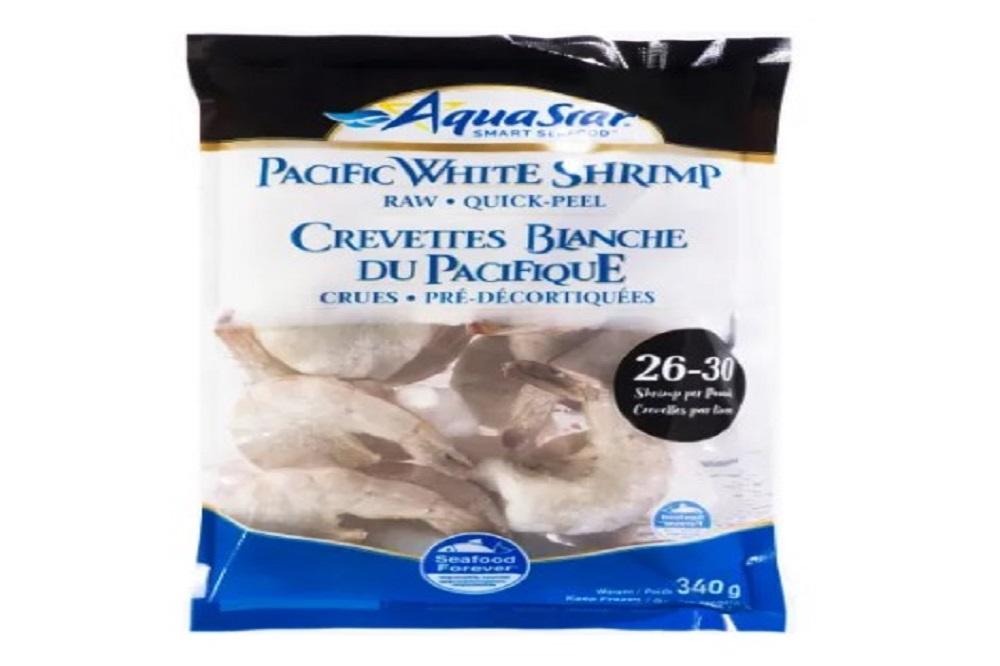
Wholesale custom frozen shrimp packaging bags are a critical component in the seafood supply chain, specifically designed to protect delicate crustaceans from the harsh effects of sub-zero temperatures and dehydration. Because shrimp are often sold with sharp shells or tails, the packaging must utilize high-strength, puncture-resistant materials such as Biaxially Oriented Nylon (BOPA) laminated with Linear Low-Density Polyethylene (LLDPE). This “NY/PE” structure is favored for its exceptional flexibility and impact resistance at temperatures as low as -40°C, ensuring that the bags do not become brittle or crack during shipping and handling. The nylon layer also provides a superior oxygen barrier, which is essential for preventing the oxidation of fats and preserving the natural color and “ocean-fresh” flavor of the shrimp.
For wholesale and industrial applications, these bags are available in various formats, including stand-up pouches for retail-ready displays and three-side seal flat bags for vacuum-packed bulk storage. A common industry feature is the inclusion of a high-clarity transparent window, allowing buyers to verify the size, count, and quality glazing of the shrimp before purchase. Many brands also opt for reinforced resealable zippers to provide consumer convenience for multi-serve portions. By utilizing advanced gravure printing with cold-resistant inks, manufacturers can achieve vibrant, high-definition branding that remains intact even when exposed to heavy condensation and frost. These high-barrier solutions effectively combat freezer burn, extending the product’s shelf life and ensuring that the seafood maintains its premium texture and nutritional value.
Conclusion: A Collaborative Approach to Sustainable Growth
The choice of food packaging is ultimately a commitment to the future of the planet and the satisfaction of the customer. From the breathable nature of a compostable bakery bag to the heavy-duty resilience of a non-woven tote, each packaging format offers a unique way to protect a brand’s reputation. By combining the latest in material science with creative, custom design, food businesses can elevate their products, ensure safety compliance, and meet the high expectations of the modern, eco-conscious consumer.
As the industry continues to evolve, those who embrace these sustainable solutions will find them at a distinct advantage. The shift away from traditional plastics is not merely a hurdle to be cleared, but an opportunity to innovate and connect with customers on a deeper level. By selecting the right partners and focusing on the long-term benefits of eco-friendly materials, brands can ensure that their packaging is as high-quality and sustainable as the food they serve. The path forward is one of collaboration, where design, functionality, and environmental stewardship come together to create a better retail experience for everyone.
Leave a Reply